
Meridian™ Blur 1 · Open weights · Apache 2.0
Meridian™ Blur
Blurs faces and license plates in photos, video and camera streams. Runs on an ordinary CPU, so the footage never has to leave your network.
A dashcam on a delivery van can film thousands of faces in a single shift. Under the GDPR, each of them is personal data. Meridian Blur removes them on the machine where the footage already is, before it's stored or shared.
Before and after
Two photos from Amsterdam. Nothing was changed except what Meridian Blur covered. Drag to compare.
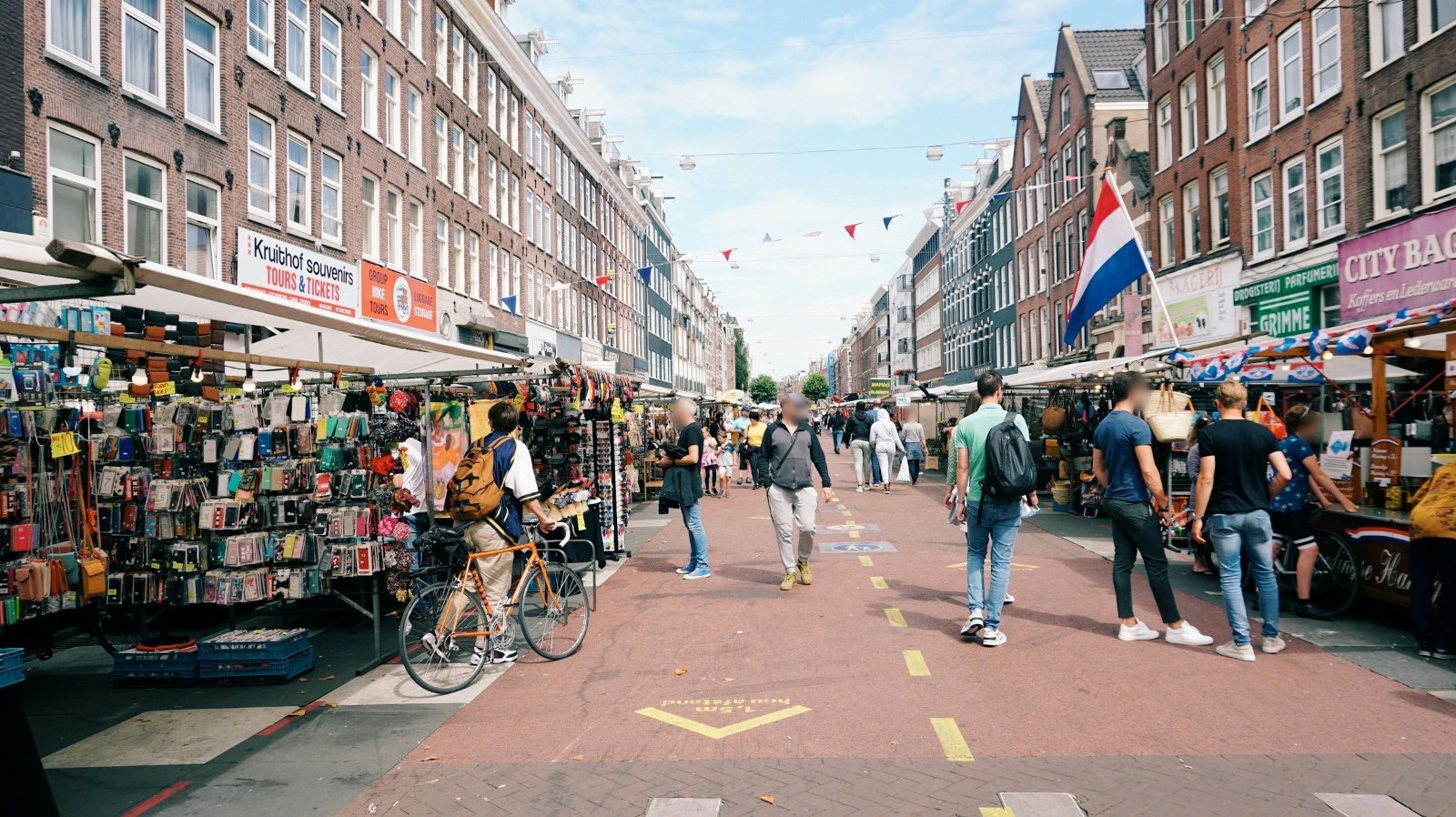
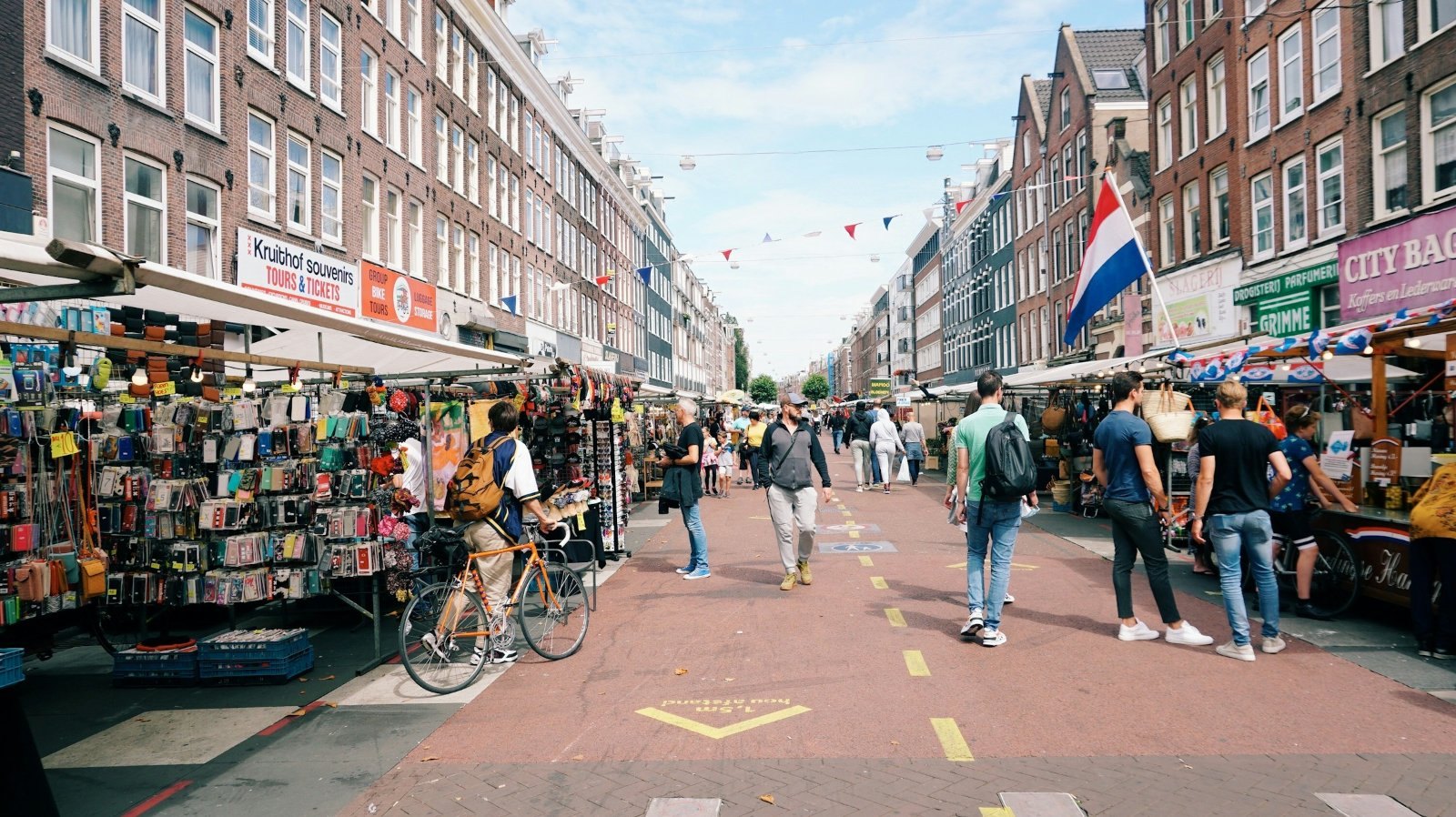 Original Meridian™ Blur
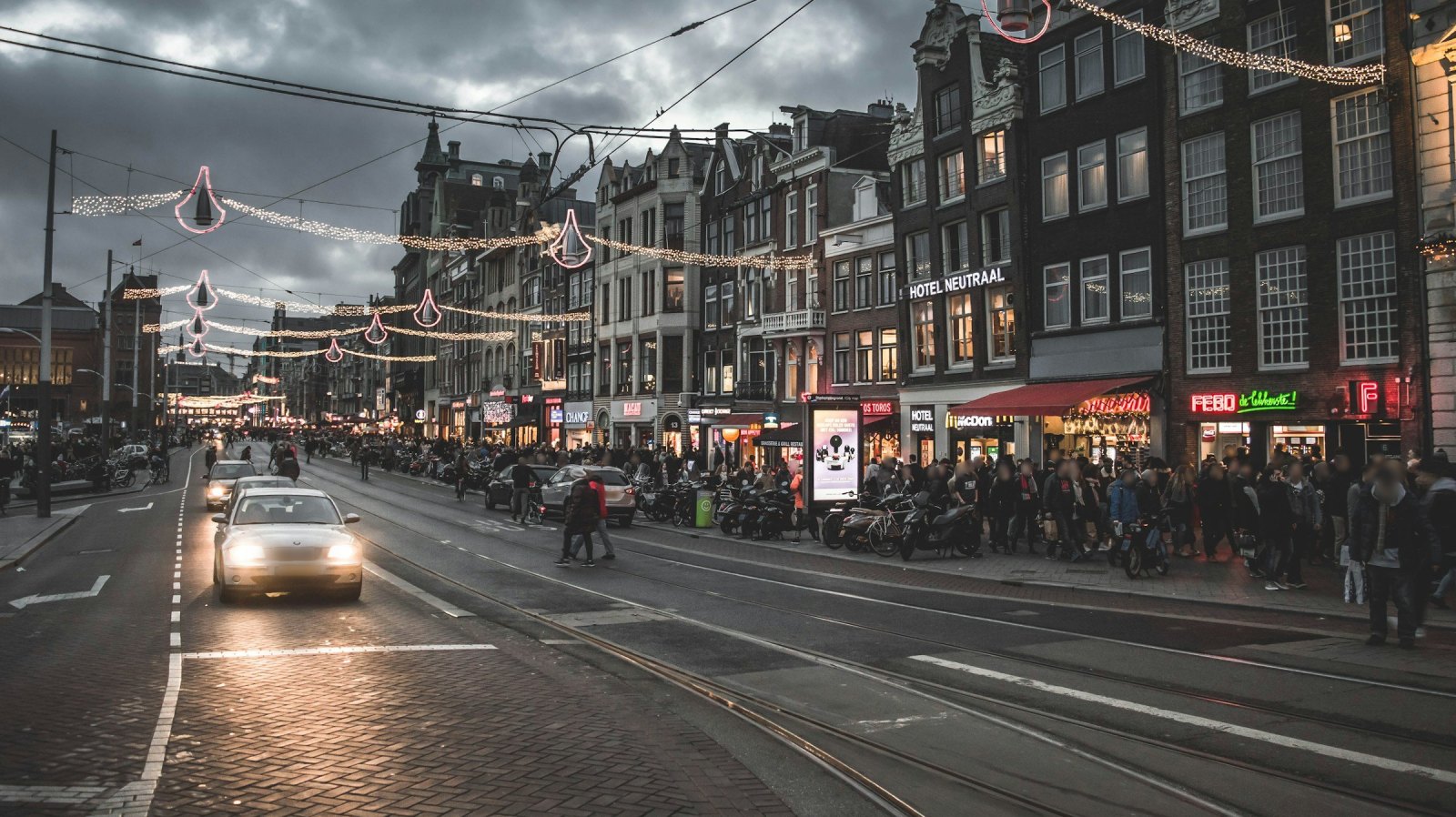
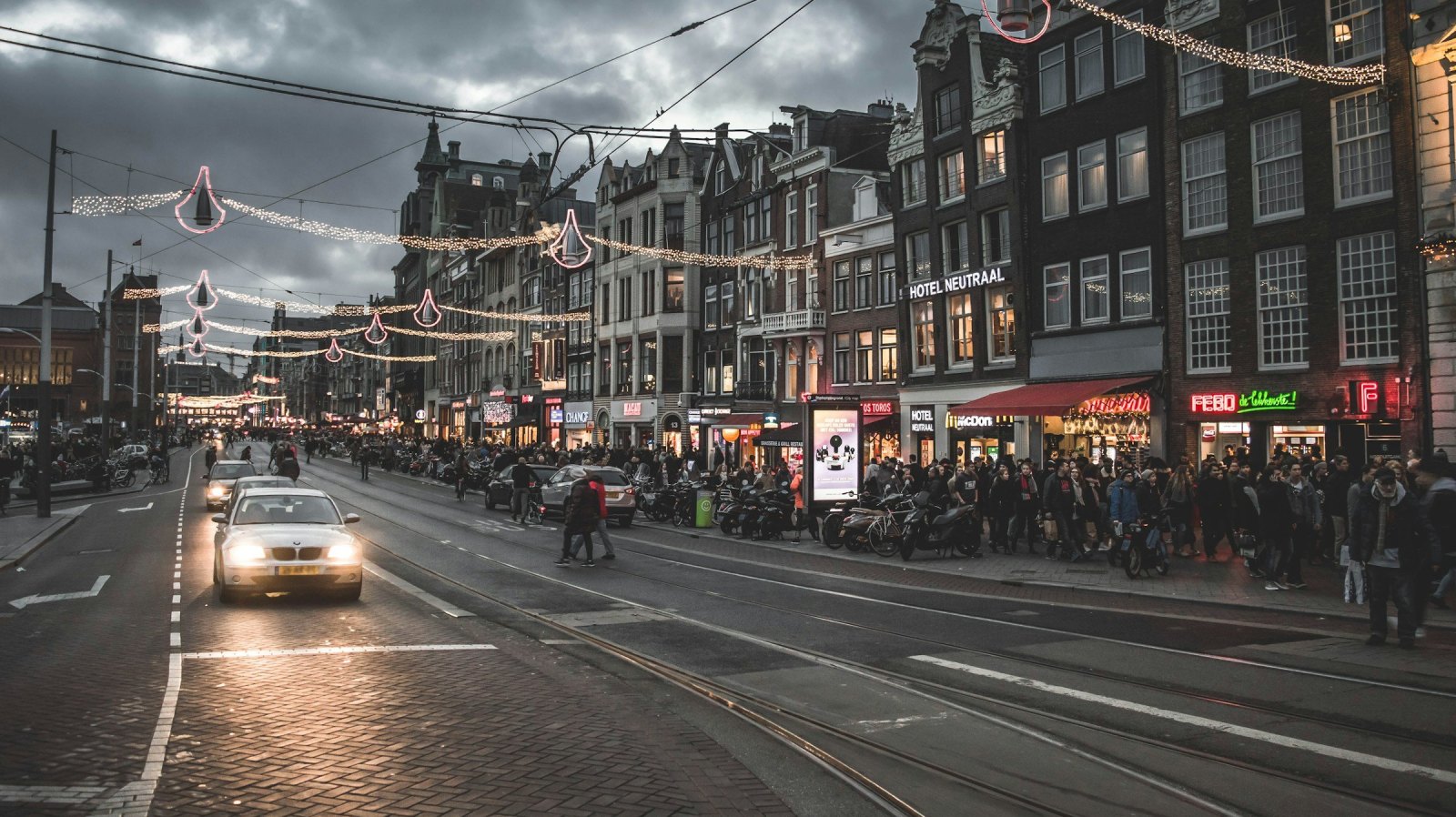
We measure what gets through
Detectors are usually sold on accuracy. For privacy that's the wrong number: blurring a lamp post by mistake costs nothing, missing one face is the whole failure.
So every release of Meridian Blur is scored on its leak rate: the share of faces and plates that end up less than 60% covered, on photos the model has never seen. We publish it for small, medium and large faces separately, including where the model is weakest.
How we evaluateLeak rate, lower is better
| Faces | All | Small |
|---|---|---|
| Meridian™ Blur 1 | 3.6% | 17.6% |
| CenterFace (deface) | 10.8% | 16.3% |
| RetinaFace ResNet-50 | 11.8% | 35.5% |
| YuNet (OpenCV) | 15.5% | 26.0% |
| License plates | All | Small |
|---|---|---|
| YOLOv9-s, with tiles | 9.3% | 43.7% |
| Meridian™ Blur 1 | 10.6% | 44.8% |
| YOLOv9-s | 11.7% | 54.9% |
| YOLOv9-t, with tiles | 12.1% | 51.3% |
Measured on 14,431 Open Images V7 photos the model never saw in training: 21,251 faces and 3,808 license plates, every model scored the same way at its own default threshold. An object counts as leaked when less than 60% of it is covered; small means under 32 pixels. Meridian™ Blur was trained on photos labeled in the same style, which favors it. On faces it leaks a third as often as the next best model. On license plates it is level: the larger YOLOv9-s plate model with tiles lets fewer through, but also blurs more that isn't a plate. A hand-checked test set and a bias evaluation are still to come.
The details that stop leaks
- +35%
- Every face box is enlarged by a third before it's blurred. Hair, ears and the line of the jaw identify people too.
- +12%
- License plates get a smaller margin: enough to cover the frame and the country code, without hiding the car.
- 0.5 s
- On video, a face stays covered for half a second after the model last saw it. A missed frame doesn't expose anyone.
- 2 passes
- After blurring, a second, more sensitive pass looks at the finished frame and covers whatever is still recognizable.
Meridian™ Blur 1
One network for faces and license plates, trained by Ordnary on public images and released with open weights.
- Detects
- Faces and license plates
- Input
- Photos, video files, camera streams
- Architecture
- RF-DETR, fine-tuned by Ordnary
- Training data
- Open Images V7, public and licensed
- Formats
- ONNX, safetensors
- License
- Apache 2.0
Run it in three commands
Download the model and blur a whole video on your own machine. No account, no upload.
Rather not run it yourself? Blur for Fleets processes dashcam footage for you, in the EU.
Talk to us$ pip install onnxruntime opencv-python-headless huggingface_hub
$ hf download ordnaryai/meridian-blur --local-dir meridian-blur
$ python meridian-blur/inference.py dashcam.mp4 blurred.mp4Questions
Can I use it in a commercial product?
Yes. The weights and the code are Apache 2.0. You can ship the model in a paid product, change it, or train it further on your own footage. Keep the license file and the attribution for the training data.
Where does my footage go?
Nowhere. You download the model and run it yourself, on a laptop, a server or a small computer next to the camera. Ordnary never receives your images.
What hardware does it need?
A normal CPU handles photos and recorded video. For many live streams at once, a GPU or more cores help. There is no minimum beyond what runs ONNX Runtime.
Can it recognize who someone is?
No. It finds that there is a face or a plate, and where, so it can be covered. It has no notion of identity and doesn't read plate numbers. Using it for identification or surveillance is against our AI Usage Policy.